Droplets vs Kubernetes: Pick the Boring One
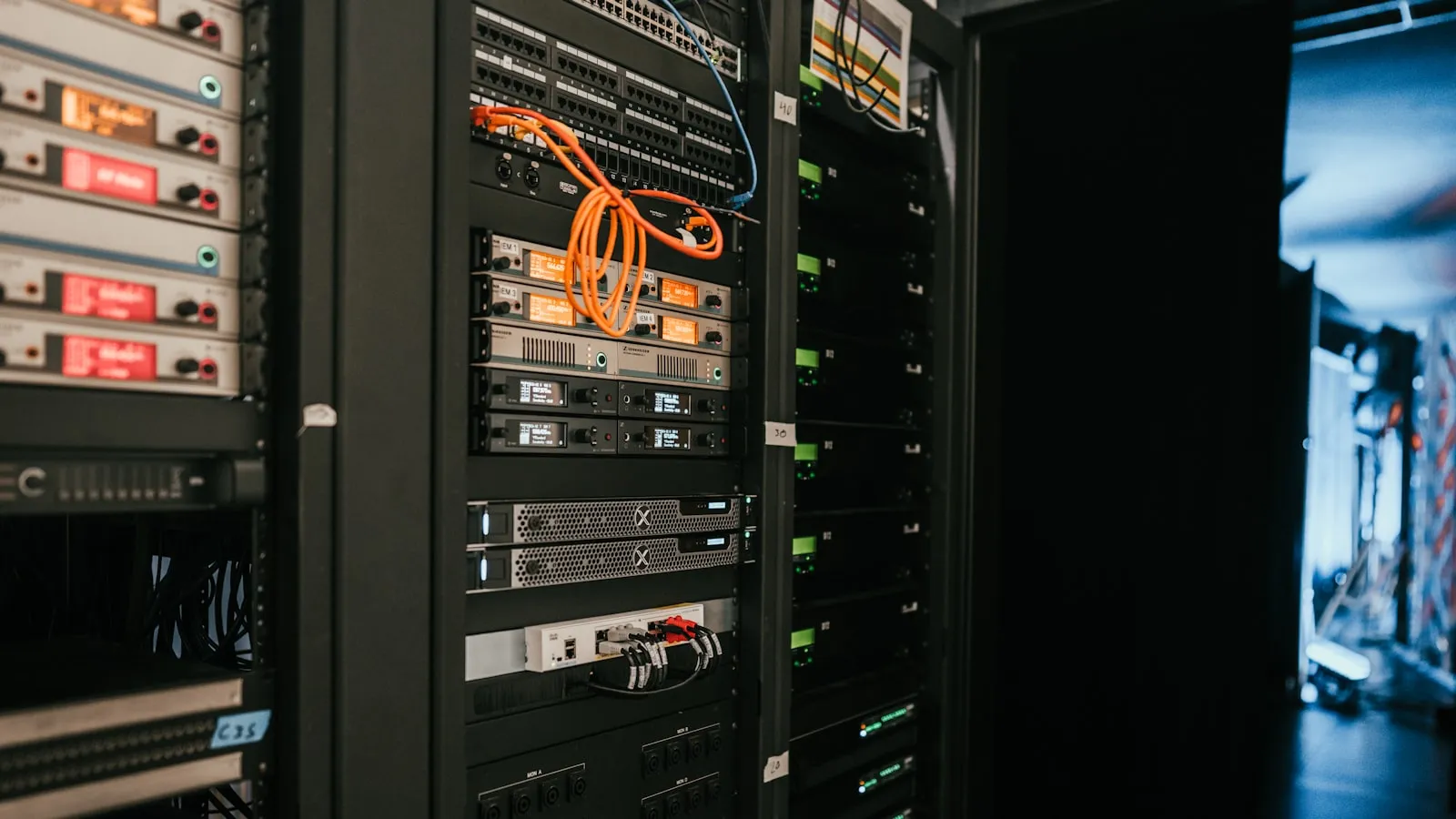
A friend showed me his setup last year. Three-node Kubernetes cluster. Ingress controller. Helm charts. A whole afternoon of YAML.
It served a Discord bot. About 40 users.
He paid around $70 a month and spent most weekends fixing the cluster instead of the bot. That bot runs on a $6 droplet now.
Ask what happens when the box dies
That is the only question that matters up front.
If the honest answer is “I notice in the morning and restart it,” you do not need Kubernetes. You need a droplet and a backup.
Kubernetes solves a specific pain. Many services, failing at random, and you cannot afford to wake up for it. So you buy a robot that restarts things. The robot is expensive and needs its own care.
Buying it before you feel the pain is paying for a problem you do not have.
One droplet goes further than you think
A $6 box with 1GB of RAM will comfortably run an API, Nginx, a small database, and a couple of cron jobs. Add systemd so it restarts on crash. Add a nightly backup.
That is more reliable than most early startups, for the price of a coffee.
Bump to $12 or $24 when it feels slow. Vertical scaling is unglamorous and it works far longer than people admit.
The cluster costs more than the sticker
Your attention. Every hour on a CrashLoopBackOff is an hour not on the product.
The surface area. A droplet has about two failure modes. A cluster has forty.
Fear. Once your deploy is 400 lines of YAML, changing it gets scary. Scary infrastructure never gets improved.
When it actually earns its keep
Reach for Kubernetes when you hit one of these:
- You have a team. Multiple people shipping multiple services need shared rules, written down and enforced.
- Downtime costs real money. Not embarrassment. Revenue per minute.
- Load swings hard. 10x on Tuesday, back down Thursday. Autoscaling is genuinely hard to hand-roll.
None of those is “I want to learn Kubernetes.” That is a fine reason to spin up a cluster. It is a bad reason to run your product on one.
The upgrade path
One droplet, with Nginx and systemd and a backup script. Then a bigger droplet, and managed Postgres once backups make you nervous. Then Docker Compose when you have several services. Then managed Kubernetes, if you ever genuinely need it.
Each step happens when the previous one hurts. Not before.
The best compliment your infrastructure can get is that nobody thinks about it. A droplet up for 200 days earns that. So does a good cluster. One costs a lot less to reach.
Takeaways
- Start with one droplet. It handles more than you think, for years.
- Kubernetes solves team coordination and real uptime pressure. Without either, you are paying for nothing.
- Scale the boring way first: bigger box, managed database, Compose.
Add up last month’s cluster bill and the hours you spent on it. Then ask what a droplet would have cost.