Frugality Is Not About Being Cheap
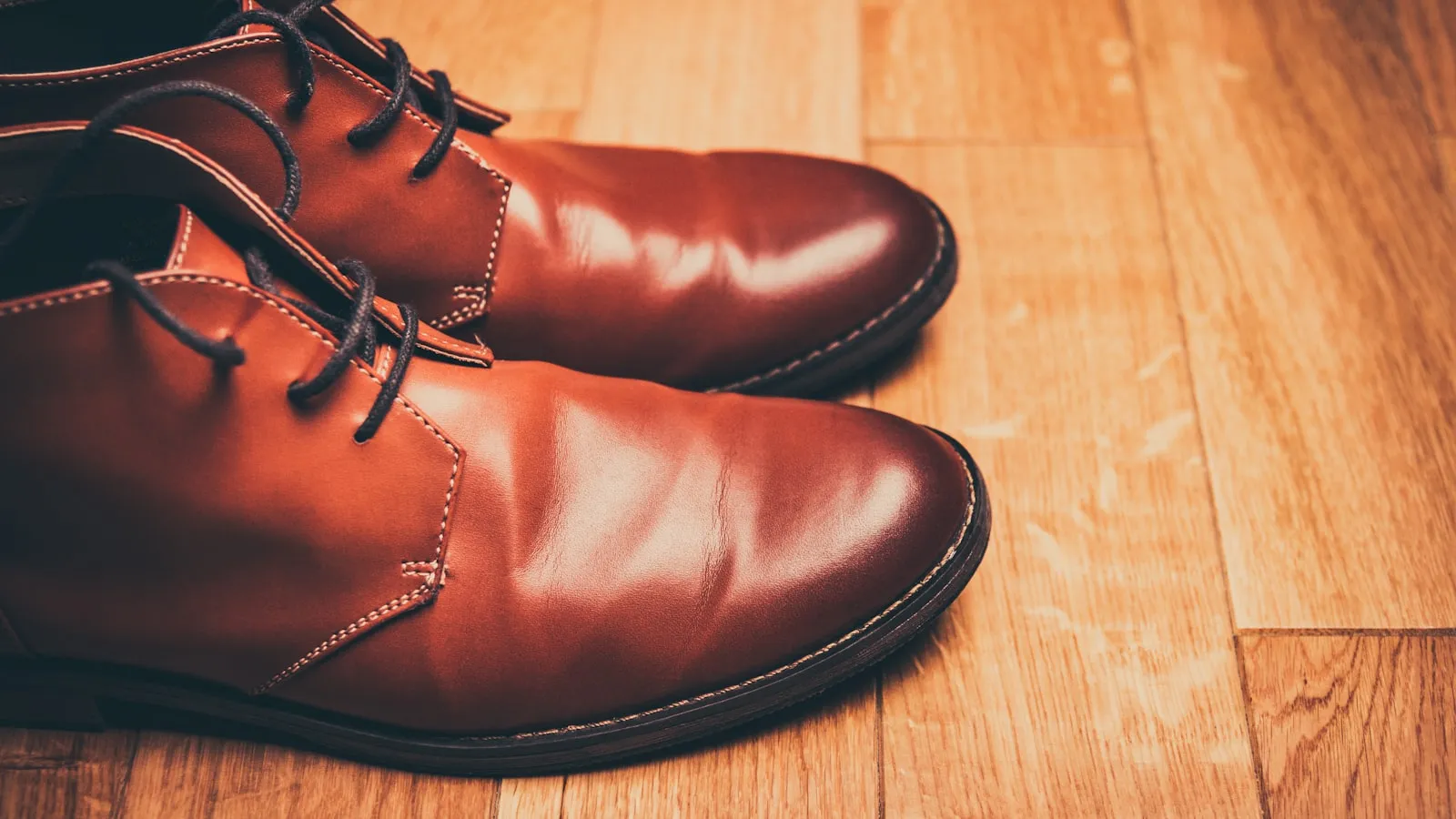
Ask two people to save money on shoes.
The cheap one buys 500-peso shoes, replaces them every four months, and spends 1,500 a year on shoes that hurt.
The frugal one buys 3,000-peso shoes once, wears them four years, and spends 750 a year on shoes that do not.
Same instinct, opposite outcomes. One looked at the price tag. The other looked at cost per year.
Price is not cost
Price is what you hand over today. Cost is what the thing takes from you across its whole life.
A cheap chair costs 3,000 pesos and your back. A cheap laptop costs less upfront and an hour a week waiting on builds. A cheap host costs a few dollars and a weekend of downtime.
Sometimes the frugal answer is to buy the expensive one. Which is why “buy the good pillow” and “be frugal” are the same advice, not opposites.
What it actually buys
Not a bigger number in an account. Options.
The option to say no. To a client who treats you badly. To a job grinding you down. Savings are the difference between “I should leave” and “I can leave.”
The option to take a risk. Every side project runs on runway. No runway, no attempt.
The option to not panic. A broken laptop is an inconvenience with savings and a crisis without. Same event, different week.
That is the real product. Freedom, bought with restraint.
Lifestyle creep is the quiet one
Income goes up. Spending follows immediately and permanently. Six months later the raise is gone and your fixed costs are higher.
The trap is that fixed costs are hard to reverse. You can skip a dinner out. You cannot un-rent an apartment.
Enjoy the raise. But let spending lag income by a wide margin. The person who kept expenses flat through two raises has completely different choices available.
Where I spend, and where I do not
Frugality is concentration, not denial. Cut hard in most places so you can spend freely in a few.
Worth full price: anything touching my body for hours, tools I use daily, health care, and books I will actually finish.
Not worth it: subscriptions I forgot about, tools for a workflow I do not have, upgrades chasing 15%, convenience I stopped noticing, and anything priced for status.
Buying the setup does not produce the habit. I have learned that repeatedly and expensively.
The habit that works
Add a delay before non-essential purchases. Small things, a day. Big things, a week.
Most impulses do not survive the wait. The ones that do are usually the good purchases.
Boring advice. Works better than any budgeting app I have tried.
Takeaways
- Compare lifetime cost, not the price tag. Sometimes frugal means buying the expensive one.
- Savings buy options: to refuse work, to take risks, to absorb a bad week.
- Let spending lag income. Fixed costs are easy to add and very hard to remove.
Go look at your subscriptions. Cancel the one you already know about.